Short answer: a chimney sweep inspects your chimney, removes the soot, ash and creosote that build up inside the flue and firebox, checks that the chimney drafts properly, and tells you what condition it is in. A professional sweep of one flue usually takes 45 minutes to an hour, done with brushes, rods and a vacuum that keeps the dust out of your home.
If you have never booked a sweep, or the last one was years ago with a previous owner, it helps to know what actually happens during the visit. Here is how a professional chimney sweep service works, step by step, in a New York City or Long Island home.
Why Chimneys Need Sweeping at All
Every fire leaves residue behind. Smoke cools as it rises and deposits soot and creosote on the inside of the flue. Creosote is flammable, and according to the National Fire Protection Association (NFPA), failure to clean is the leading factor contributing to home heating fires. Buildup also narrows the flue, weakens the draft and can push smoke and carbon monoxide back into the room.
That is why NFPA 211, the national standard for chimneys and fireplaces, calls for chimneys to be inspected at least once a year and cleaned when needed.
Step 1: A Visual Inspection Before Anything Is Touched
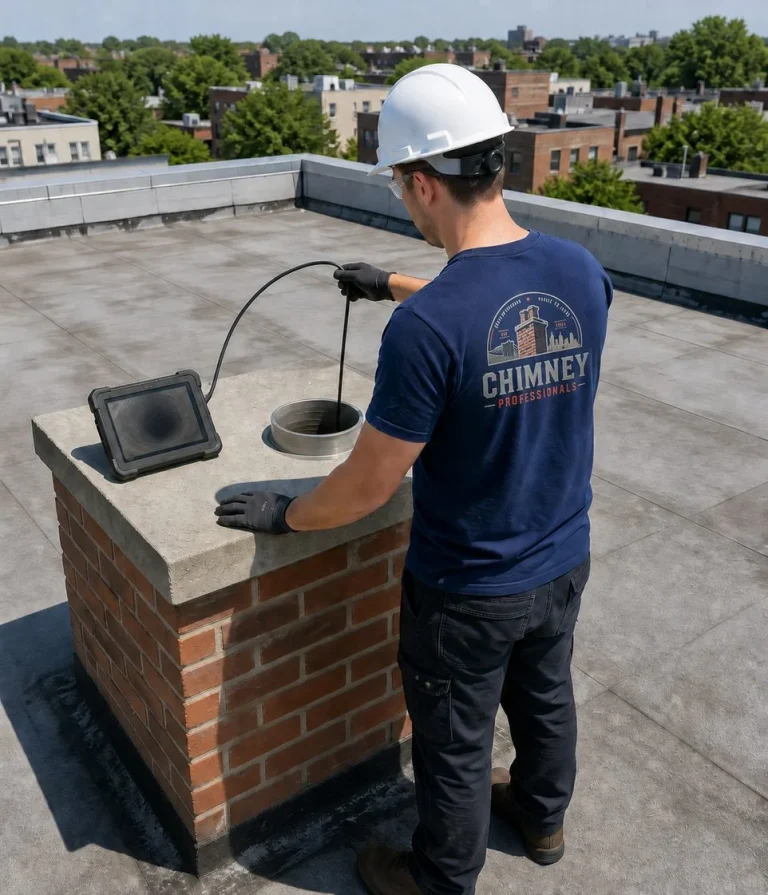
The technician starts by looking at the fireplace, damper, firebox, smoke chamber and, where accessible, the top of the chimney. This first look answers a few questions:
- How much buildup is there, and what kind (dry soot or sticky, glazed creosote)?
- Is the damper opening and closing properly?
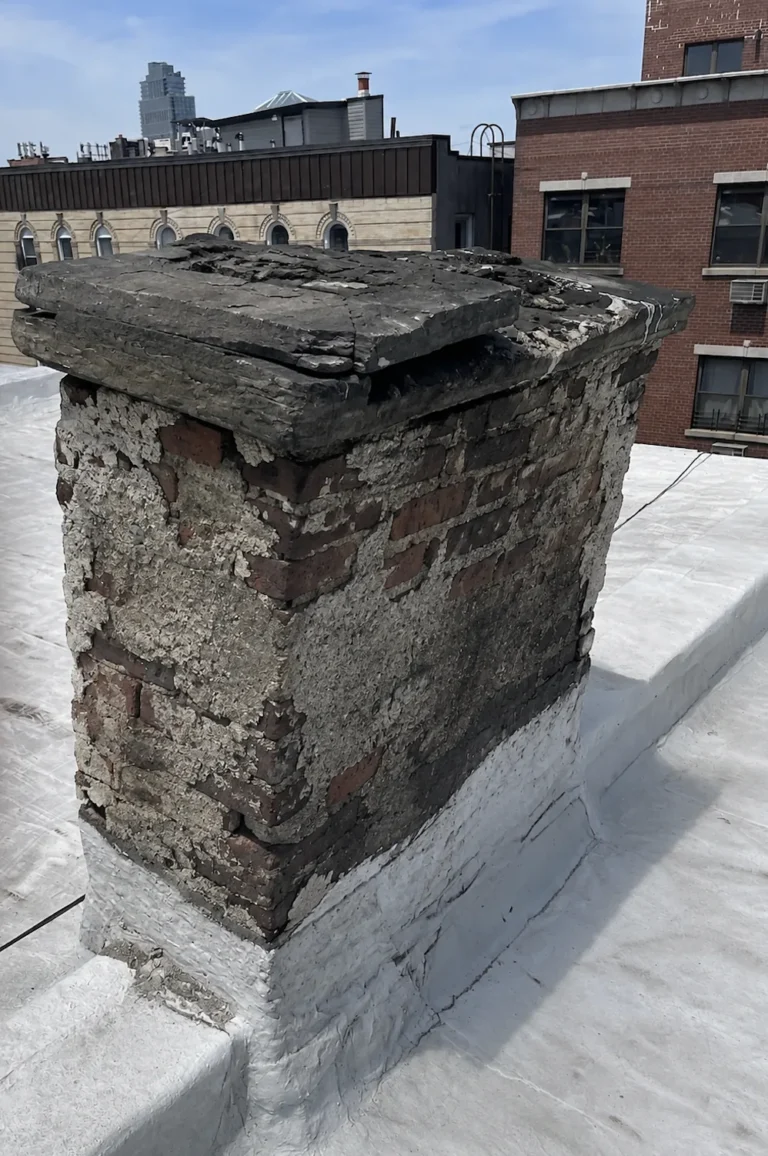
- Are there cracks in the firebox, missing mortar or signs of water?
- Is there an obstruction, such as a nest or fallen liner tiles?
If something looks wrong, you hear about it before the sweep begins, not after.
Step 2: Protecting Your Home
A clean job is part of the job. The crew lays drop cloths from the door to the hearth, seals the fireplace opening, and sets up a vacuum to catch fine dust. In NYC apartments and brownstones we also plan the route in and out of the building, whether that means an elevator, a narrow stairwell or roof access through a bulkhead.
Step 3: Sweeping the Flue and Firebox
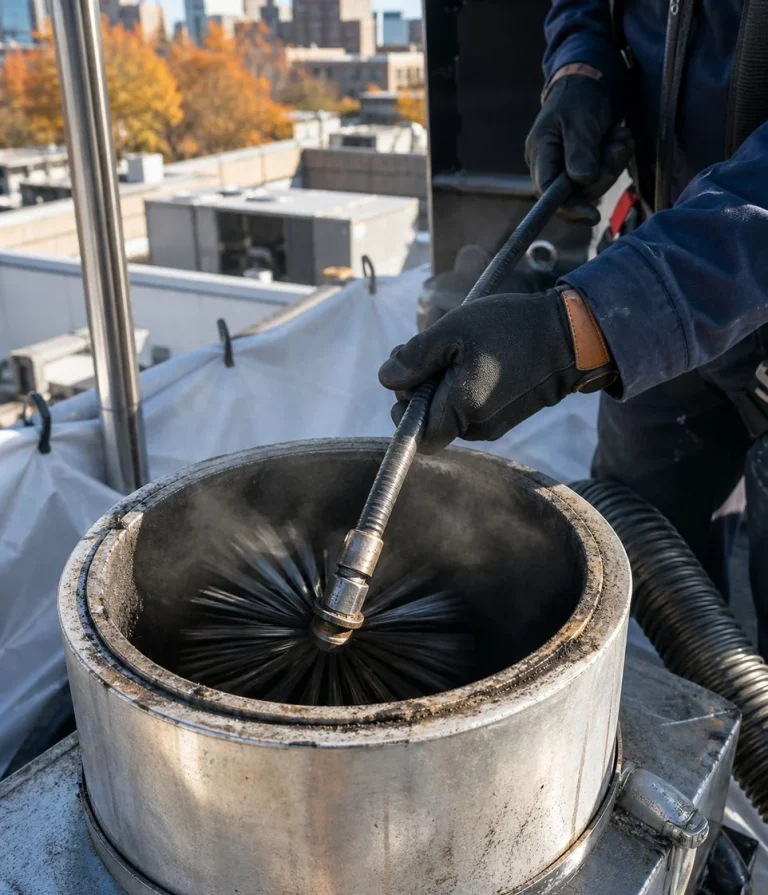
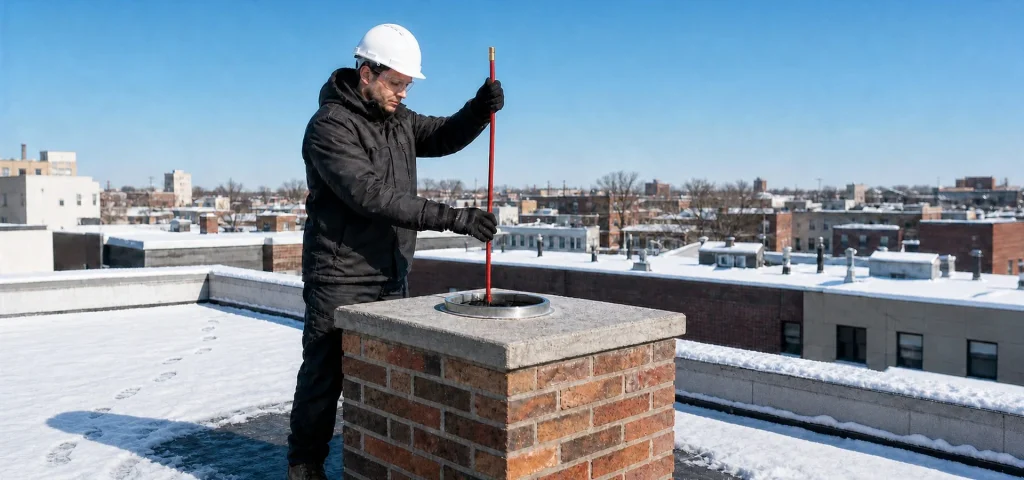
This is the part people picture. Using rods and brushes sized to your flue, the technician works through the chimney from the bottom, the top or both. The brush scrapes soot and first stage creosote off the flue walls, and the vacuum pulls the debris out of the firebox and smoke chamber.
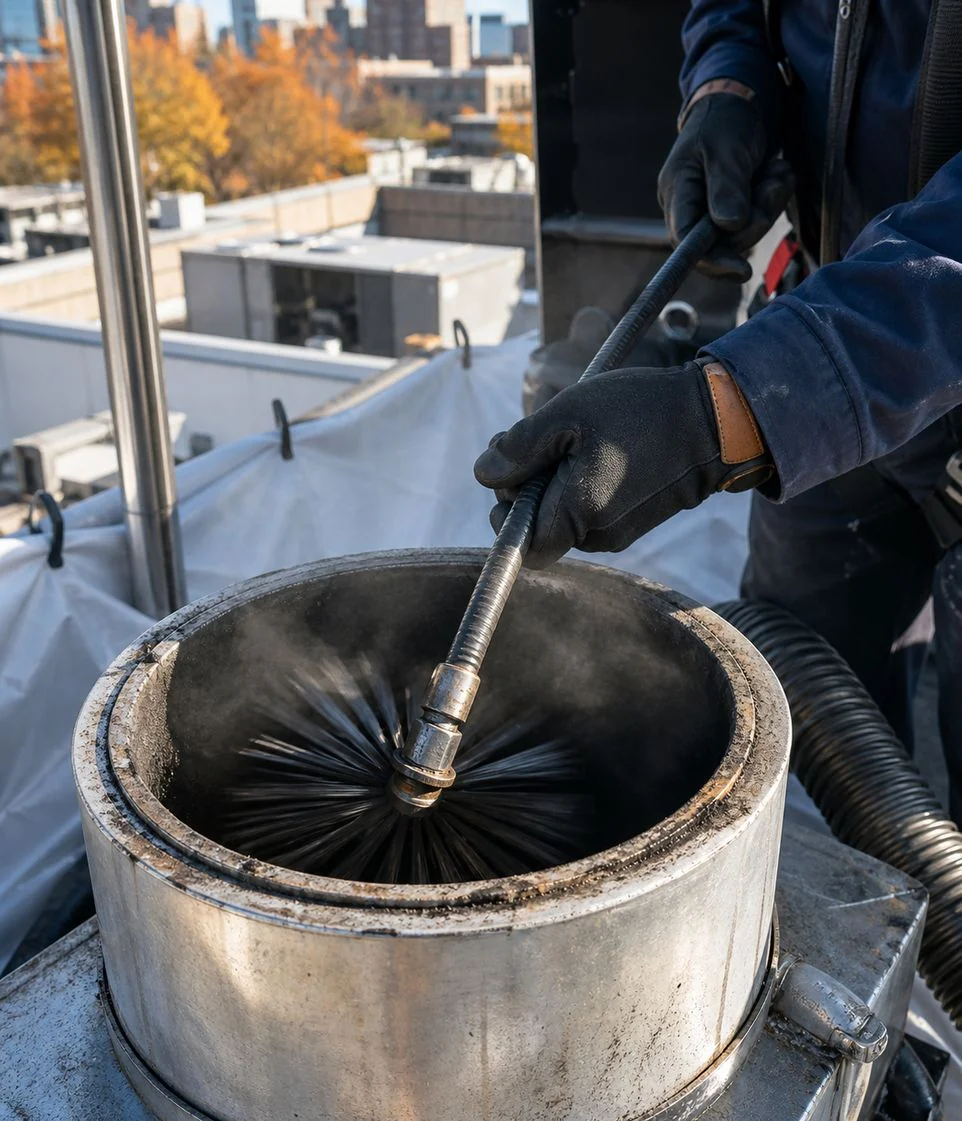
The smoke shelf and smoke chamber, just above the damper, get special attention. Debris collects there and it is easy to miss without the right tools.
If the technician finds heavy or glazed creosote that a brush cannot remove, that is a different service. Our chimney cleaning uses rotary tools and treatments for deeper deposits, and we tell you before any additional work or cost. Our guide to the 3 stages of creosote explains the difference.
Step 4: Checking the Draft
After the sweep, the chimney is tested to confirm it pulls smoke up and out. A clean flue that still drafts poorly may point to another problem: a cap that is clogged, a chimney that is too short for surrounding buildings, or a liner that is the wrong size for the appliance.
Step 5: Explaining the Results
Before the crew leaves, the technician walks you through what was cleaned and what was found, including anything that needs attention later. Keep a record of the date and the findings for your files, your insurer and, eventually, a home sale.
How Long Does a Chimney Sweep Take?
For most homes, a sweep takes 45 minutes to 1 hour per flue. Plan for more time if:
- The chimney has heavy creosote or has not been swept in several years
- The house has more than one flue (common in brownstones and row houses)
- Roof access is difficult
- You book a Level I inspection in the same visit
How to Prepare for Your Sweep
- Stop using the fireplace 24 hours before the appointment so the firebox is cool.
- Clear a path to the fireplace and move decor off the mantel.
- Tell us about access: doorman buildings, elevator reservations, roof keys or parking restrictions.
- Mention anything unusual you have noticed, such as smoke in the room, odors or animal sounds.
Sweep vs Inspection: Do You Need Both?
A sweep always includes a basic visual check. But a formal inspection goes further, and the level depends on your situation. A Level I annual inspection is the standard for a chimney in regular use and pairs naturally with a sweep. A Level II inspection with a camera scan is used when you buy or sell a home, change fuel or appliance, or after a chimney fire. Booking the sweep and the Level I inspection together is the most efficient way to cover annual maintenance in one visit.
Frequently Asked Questions
How often should I have my chimney swept?
At least once a year for most homes, and more often if you burn wood heavily. The best time is before the burning season starts in the fall.
Do gas fireplaces need a sweep?
Yes. Gas burns cleaner than wood, but gas flues still collect debris, moisture and corrosion, so they need regular cleaning and inspection.
Will a chimney sweep make a mess?
It should not. A professional crew uses drop cloths, sealed openings and a vacuum and leaves the area clean.
Is a chimney sweep the same as a chimney cleaning?
A sweep is routine annual brushing. A chimney cleaning is a deeper service for heavy or glazed creosote, blockages or chimneys that have gone years without maintenance.
Ready for the season? Request a free estimate for a chimney sweep in NYC or Long Island.