Short answer: yes, you can still use an existing wood-burning fireplace in New York City, but you cannot build a new one, and the firewood you burn must have a moisture content of 20 percent or less. A fireplace also cannot serve as a home’s primary heat source except in an emergency. Before the first fire of the season, the chimney should be swept and inspected.
A working wood-burning fireplace is one of the most valued features of a brownstone, a pre-war co-op or an older house in Queens or Staten Island. It also comes with a set of city rules that many owners, and even some brokers, are not clear on. Here is a plain-language summary, followed by a checklist for getting your fireplace ready.
Rule 1: No New Wood-Burning Fireplaces
Since Local Law 38 of 2015 took effect on May 6, 2016, the NYC Mechanical Code (Section 901.3) does not permit new solid fuel-burning fireplaces or appliances, except those that burn fuels allowed by the city’s Air Pollution Control Code. The Air Code allows new fireplaces to run only on natural gas or approved renewable fuel.
In practice, that means you cannot add a traditional wood-burning fireplace to a new building, a gut renovation or a home that never had one. Existing, legal fireplaces can stay in use.
Rule 2: Existing Fireplaces Must Burn Dry, Approved Fuel
Under NYC Administrative Code Section 24-149.2, an existing fireplace may be operated only with firewood that has a moisture content of 20 percent or less by weight, with approved renewable fuel, or with other materials the Department of Environmental Protection designates.
Why this matters for your chimney: wet or green wood burns cool and smoky, and cool smoke is what deposits creosote in the flue. Freshly cut wood can hold 40 percent moisture or more. Buy kiln-dried or properly seasoned wood, and if you want to be sure, an inexpensive moisture meter will tell you in seconds.
Rule 3: A Fireplace Is Not Your Primary Heat
The same section of the Administrative Code limits the use of a fireplace as a primary heat source except in an emergency. A fireplace is for comfort and ambiance. Your building’s heating system has to carry the load.
Rule 4: Never Burn Trash, Treated Lumber or Painted Wood
Construction scraps, pallets, painted or pressure-treated wood, cardboard and wrapping paper release toxic fumes and create fast, hot fires that can ignite creosote. Stick to firewood and approved fire starters.
Rule 5: Vent-Free Gas Fireplaces Are Not Allowed
If you are thinking about converting to gas, note that the NYC codes prohibit unvented gas fireplaces, gas logs and gas fireplace inserts. A gas conversion in an existing fireplace has to be vented through a chimney or a listed vent, which usually means a properly sized stainless steel chimney liner.
Building Rules Can Be Stricter Than City Rules
Many co-ops and condos set their own requirements for residents with working fireplaces. Common ones include:
- Proof of an annual chimney sweep and inspection before the first fire
- Use of a building-approved chimney company
- A certificate of insurance from the contractor
- Restrictions on burning in certain months or hours
Check your proprietary lease or house rules. If your board asks for proof of service, ask for written documentation of the sweep and inspection when you book.
Your Pre-Season Checklist for a NYC Fireplace
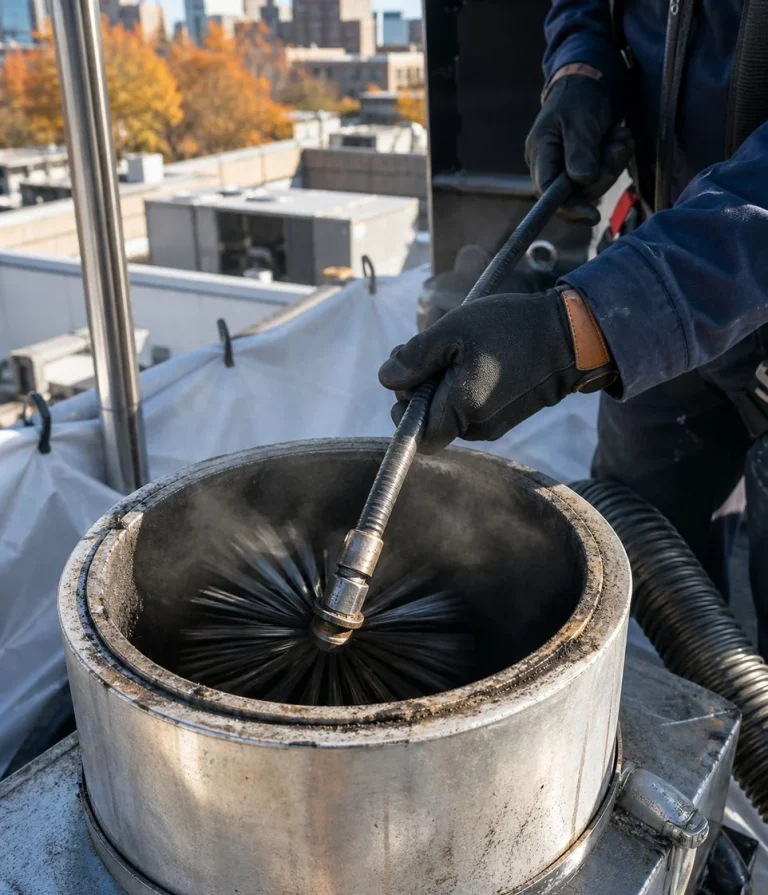
- Book a sweep and Level I inspection before your first fire, ideally in September or October before the rush.
- Check the damper. It should open fully and close tightly.
- Look up. Make sure the chimney has a cap. Without one, rain, leaves and birds end up in the flue.
- Test your carbon monoxide and smoke alarms and replace batteries.
- Buy dry wood (20 percent moisture or less) and store it off the ground, away from the house.
- Keep a metal ash container with a lid, and never put ashes in a trash bag or paper bin.
- Use a fireplace screen and keep furniture, rugs and decorations at a safe distance.
Brownstones and Row Houses: A Special Case
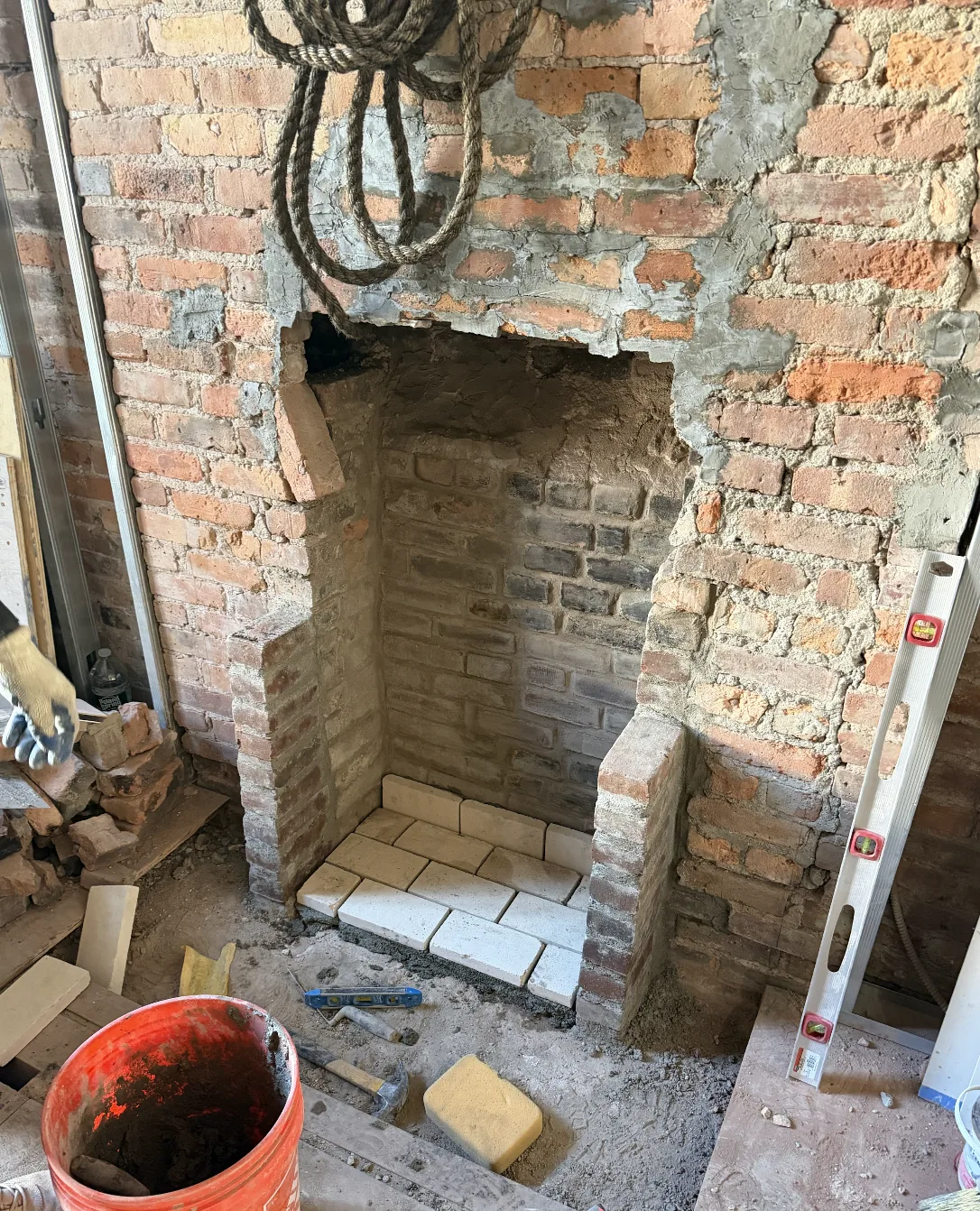
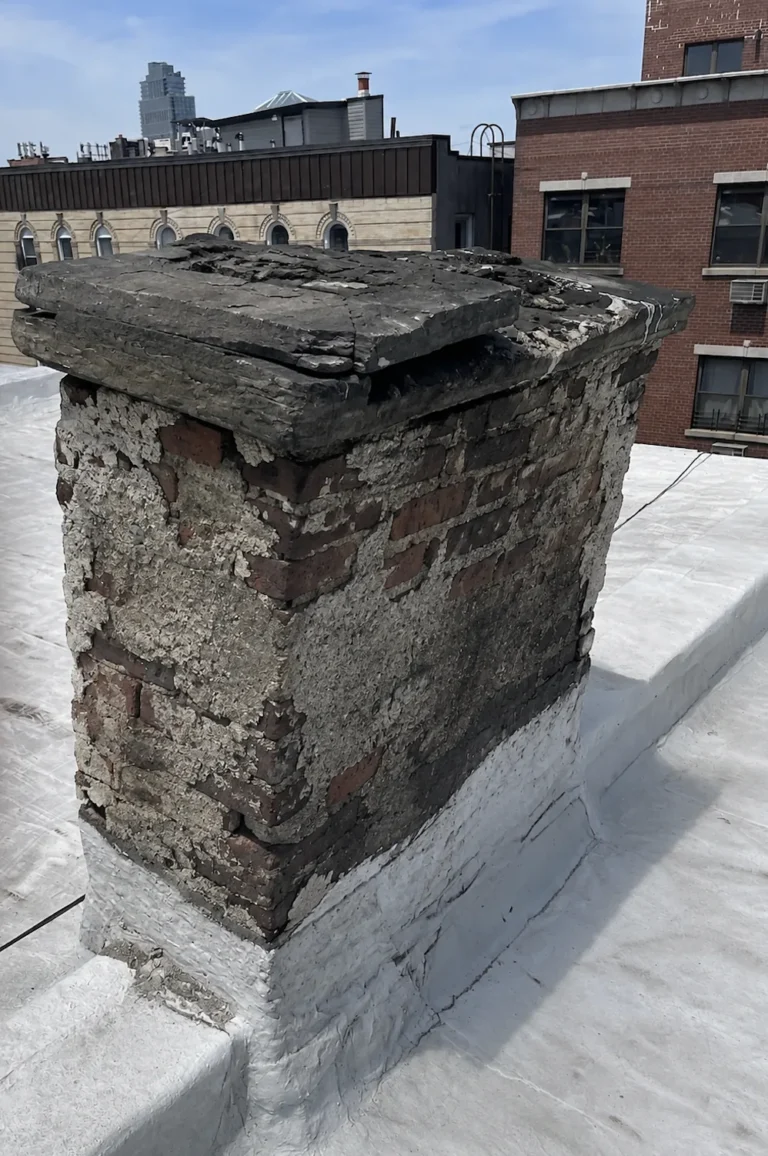
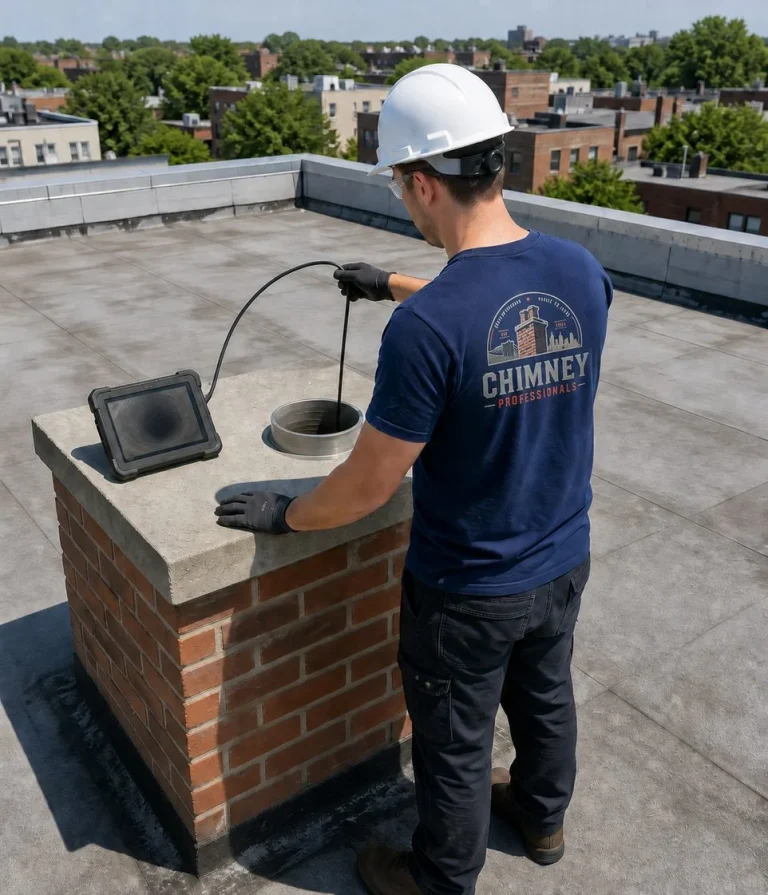
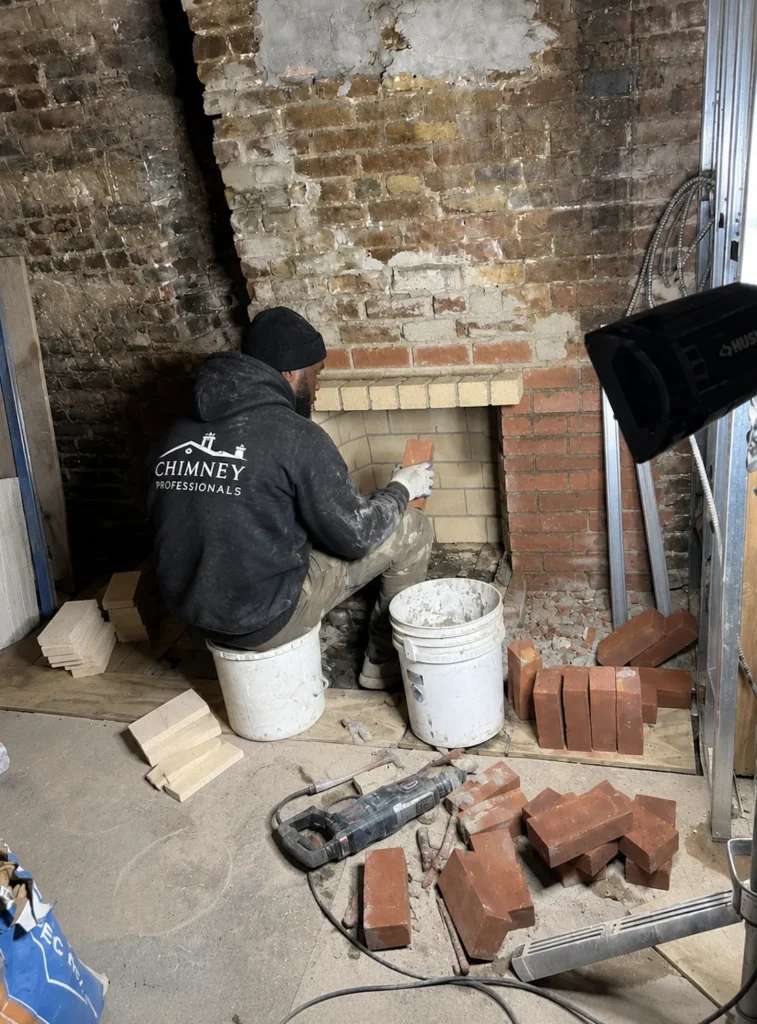
Many Brooklyn and Manhattan row houses have several flues in one masonry stack, serving fireplaces on different floors and sometimes a neighbor’s unit. Old terra cotta liners are often cracked or missing. A flue that has not been used in decades can hide nests, fallen masonry or gaps between flues that let smoke into another room. If you are bringing a fireplace back into use after years, start with a camera inspection, not a match. See our Park Slope fireplace reconstruction for an example.
Frequently Asked Questions
Is it legal to have a wood-burning fireplace in NYC?
Yes, if it is an existing, legal fireplace. New wood-burning fireplaces are not permitted under the NYC Mechanical Code.
What firewood is allowed in NYC fireplaces?
Firewood with a moisture content of 20 percent or less by weight, or other fuels approved by the Department of Environmental Protection.
Can I convert my wood fireplace to gas in NYC?
Yes, with a vented gas appliance installed to code. Vent-free gas logs and inserts are prohibited in the city.
How often should a NYC fireplace chimney be swept?
Once a year for a fireplace in regular use, and before the first fire of the season. NFPA 211 calls for an annual inspection of every chimney.
This article is a general summary of NYC rules as of fall 2026 and is not legal advice. Check the current code or your building’s rules for your situation.
Getting ready for the first fire? Request a free estimate for a chimney sweep in NYC, from Brooklyn brownstones to Upper West Side co-ops.